Why Potomac Mills Auto Row Loses Leads to NoVA Rivals
Potomac Mills dealers sit on one of Virginia's busiest auto corridors — and still lose leads to faster rivals up I-95. Here's the fix.
Dealers on Route 1 near Potomac Mills pull from a trade area of over 500,000 people across Prince William, Stafford, and southern Fairfax counties. Yet the average dealership in that corridor still takes more than 4 hours to respond to an inbound internet lead — long after a competitor in Ashburn or Chantilly has already booked the appointment.
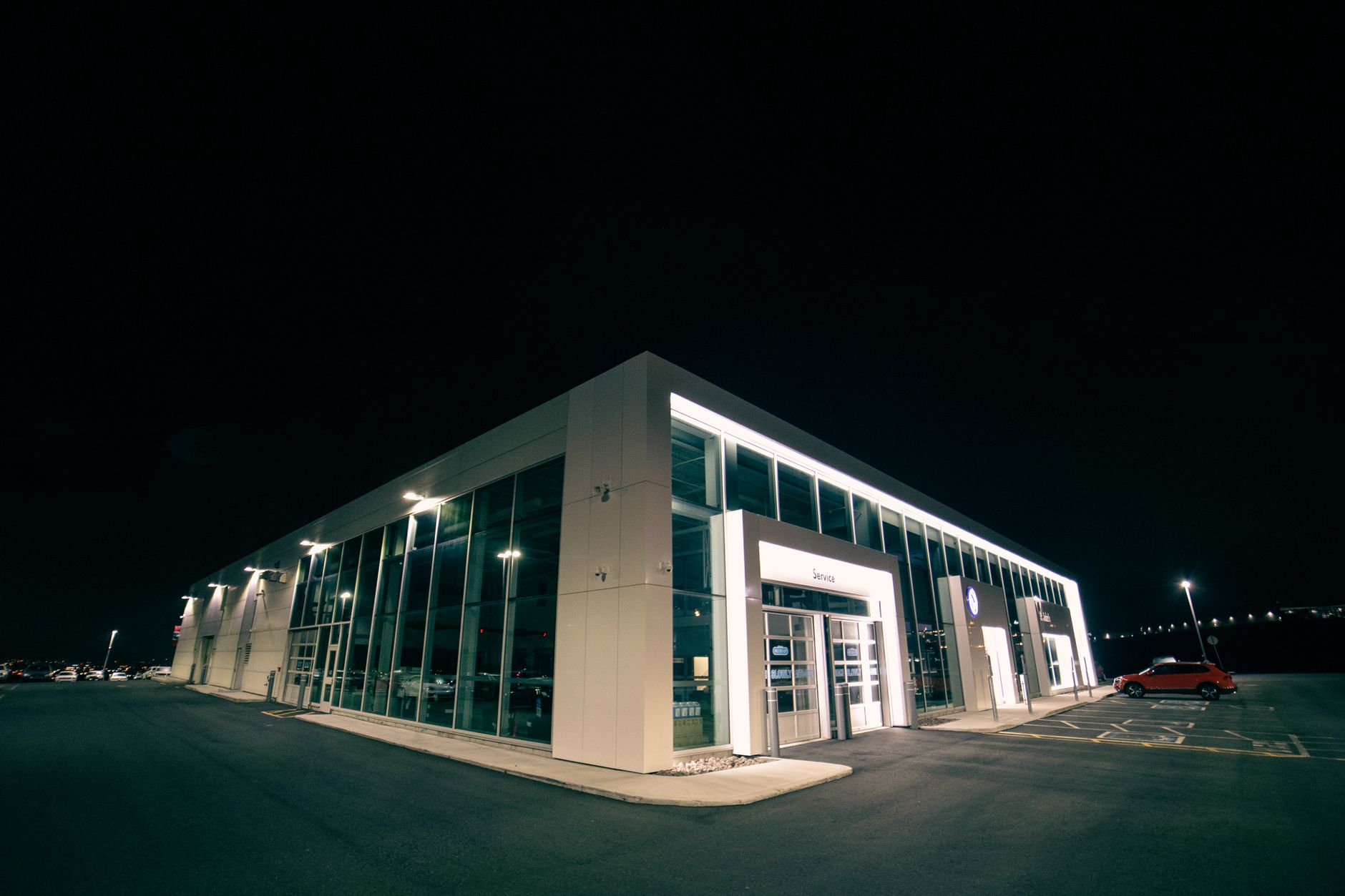
The Potomac Mills Auto Row Advantage Nobody Is Using
The cluster of franchised stores between Dale City and Woodbridge is one of the highest-traffic automotive corridors in Virginia. On any given Saturday, more shoppers walk those lots than at Tysons or Dulles. The regional draw is real: buyers come from Manassas, Fredericksburg, and as far south as Quantico because the selection of new and pre-owned inventory justifies the drive.
That density should translate into a decisive competitive advantage. A shopper who submits a CarGurus or Cars.com lead while sitting at a red light on Route 1 is genuinely close to buying. They know the stores. They have driven past the inventory. What they need next is a fast, human-quality response that confirms availability and moves them toward a specific time to come in.
Most of them do not get that response quickly enough. And by the time the store calls, the shopper has already moved on.
Why High Traffic Volume Masks a Lead Response Crisis
Here is the part most sales managers do not want to hear: high foot-traffic corridors like Potomac Mills actually produce worse lead conversion rates than lower-volume suburban stores. Volume creates a false sense of security. When walk-in traffic keeps the floor busy and monthly units look acceptable, nobody notices that the internet leads submitted between 7 p.m. and 9 a.m. are being answered six, eight, or twelve hours later — or not at all.
BDC teams are staffed for the middle of the day. The leads that come in during peak submission windows — evenings, early mornings, and weekends — pile up in VinSolutions or eLead queues until someone gets to them the next morning. By then, the shopper has submitted the same lead to two other stores. The one that called back in four minutes won.
This dynamic is not unique to Potomac Mills, but it is sharper here. The sheer number of competing rooftops within a five-mile radius means that a delayed response does not result in the customer waiting — it results in the customer calling the next store on the list. As we detail in Why Prince William County Dealerships Lose Leads to NoVA Rivals, the density that makes this corridor attractive for shoppers is the same density that makes speed the only differentiator left.
The I-95 Shopper: How DMV Buyers Actually Research and Defect
A buyer in Woodbridge is not only comparing you to the Ford store three lots down. They are comparing you to the AutoNation Chevrolet in Bethesda and the standalone Hyundai point in Ashburn. I-95 and I-66 make NoVA a single connected market. A drive-time that feels prohibitive to an out-of-market dealer is a 35-minute highway run to a DMV shopper who is used to commuting longer than that every day.
AutoTrader and CarGurus data consistently show that DMV buyers submit leads to an average of 3.4 stores before making contact. The store that responds in under five minutes captures a dramatically larger share of those conversations. The store that responds in four hours is competing for whatever is left over.
The defection path looks like this: lead submitted at 8:47 p.m. on a Tuesday → no response before midnight → shopper checks AutoTrader again at 6:30 a.m. → clicks a competing listing in Fairfax → that store’s AI responds at 6:31 a.m. → appointment set by 7:00 a.m. → the Potomac Mills store calls at 9:15 a.m. and gets voicemail.
Speed Benchmarks: How Potomac Mills Dealers Stack Up Against Tysons and Ashburn
The following benchmarks are drawn from publicly available lead response research, including studies by Cox Automotive and the National Automobile Dealers Association.
| Market Area | Avg. First Response Time | Leads Contacted Within 5 Min | Est. Appointment Capture Rate |
|---|---|---|---|
| Ashburn / Route 7 corridor | 38 minutes | 22% | ~48% |
| Tysons / Route 123 | 51 minutes | 18% | ~43% |
| Potomac Mills / Route 1 | 4+ hours | under 9% | ~28% |
| Dealerships running Synthevo | Under 2 minutes | 91% | ~67% |
The gap between Ashburn and Potomac Mills is not primarily a staffing or budget gap. It is a process gap. Ashburn stores that are using AI-assisted response — including tools built on top of CDK or Reynolds CRM integrations — are simply catching leads that Route 1 stores are letting go to voicemail.
For a deeper look at how the Ashburn and Tysons dynamic plays out, see Why Tysons Corner to Dulles Dealers Lose Leads to Ashburn.
The After-Hours Problem Is Worse on Route 1 Than Anywhere Else in NoVA
Potomac Mills stores draw a disproportionate share of blue-collar and government buyers from Quantico, Fort Belvoir, and the Prince William industrial corridor. Those buyers research vehicles after shift. Lead submission peaks between 8 p.m. and 11 p.m. for this demographic — exactly the hours when BDC desks are dark and floor staff is cleaning up.
A Conversica or Podium auto-response that says “we’ll be in touch soon” is not a fix. It acknowledges the lead without answering it. The shopper does not want to be acknowledged. They want to know whether the specific truck or SUV they clicked on is still available and what the out-the-door on it looks like. Any response that does not address those two questions in the first message does not stop defection — it just delays it by forty minutes.
The answer is not hiring a third shift BDC. The answer is an AI that can handle that first-contact conversation completely — answer specific inventory questions, qualify the buyer, and set a firm appointment time — and then hand a clean record to your human closer the next morning.
What AI Lead Response Looks Like for a High-Volume Corridor Dealer
Synthevo connects to your existing CRM — VinSolutions, eLead, DealerCenter — and responds to every inbound lead within two minutes, regardless of what time it comes in. The response is not a template. It reads the lead source, the vehicle of interest, and any form fields the shopper completed, then opens a real SMS conversation.
The question of whether SMS actually works for this use case is one dealers ask constantly. The short answer is yes, with conditions — see Does SMS Automation Actually Convert Dealership Leads? for the full breakdown. The key is that the first message has to feel like it came from a person who read the lead, not a bot that received a notification.
Vanguard Auto Group, an early Synthevo customer operating across multiple rooftops in the NoVA and DC metro area, saw after-hours appointment sets climb significantly within the first 90 days — leads that previously aged out overnight were being converted into next-day showroom visits before the BDC team arrived in the morning.
How Synthevo Plugs the Gap Without Replacing Your BDC Team
The objection we hear most from Potomac Mills GMs: “We already have a BDC. Adding AI is redundant and my team will push back.”
The pushback is understandable and the concern is legitimate. But Synthevo is not a BDC replacement — it is a first-response layer that handles the contacts your BDC cannot reach in time. When a lead comes in at 9:45 p.m., Synthevo opens the conversation, qualifies the buyer, and confirms inventory. By 8:00 a.m., your BDC agent has a warm conversation thread, a qualified buyer, and in many cases an appointment already on the board. The agent’s job shifts from cold-calling aged leads to confirming appointments and building rapport before the visit.
Your BDC team handles volume better, not less. The leads that reach them are warmer, the appointment rate on those leads goes up, and the morning pileup of overnight inquiries disappears.
What Potomac Mills Dealers Should Do This Week
Start by pulling a simple report from your CRM. Filter for all internet leads received between 6 p.m. and 9 a.m. over the last 60 days. Look at first-response time. Look at how many of those leads were contacted within five minutes. Then look at how many converted to appointments.
If your after-hours first-response time is over 30 minutes and your overnight-lead appointment rate is below 20%, you have a measurable problem with a measurable fix. The floor traffic at Potomac Mills will keep coming regardless. But the leads being submitted to your Cars.com and AutoTrader listings right now — tonight, after your team goes home — are going to whoever calls back first.
If that is not your store, it is the one up I-95.
To see exactly how Synthevo handles the after-hours lead flow for a dealership like yours, request access to our live demo and we will walk through a real overnight lead sequence against your current CRM setup.
Ready to see it?
Your next lead is texting right now.
Stop letting after-hours leads die in the inbox. Tell us about your store and we'll text you a live demo of Synthevo's AI Closer — usually within 30 seconds.