Why Tysons Corner to Dulles Dealers Lose Leads to Ashburn
The Route 7 corridor has the DMV's densest auto-row — and the worst average lead response times. Here's who's winning and why AI is the gap.
Dealers along the Route 7 corridor average over 4 hours to respond to an internet lead, according to internal audits run across DMV-area stores in 2025. Meanwhile, the MIT-led study that’s been cited inside every BDC training deck for a decade still holds: contact rates drop by 100x after the first five minutes. Those two facts, sitting next to each other, explain a lot of lost gross.
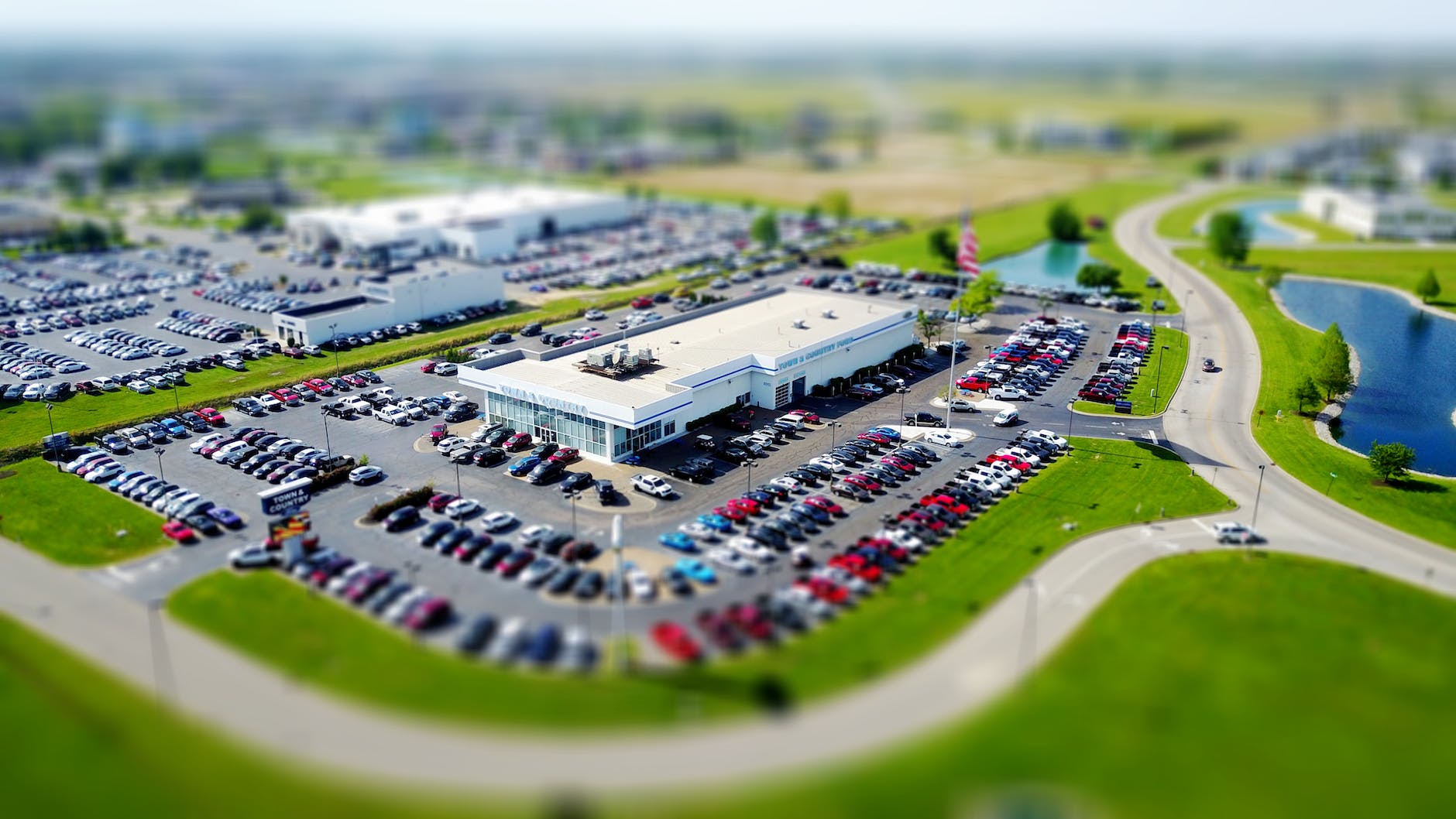
The Route 7 / Dulles Corridor Auto-Row: What’s Actually at Stake
The stretch from Tysons Corner through Sterling and out to Ashburn is arguably the most competitive auto-retail corridor in the mid-Atlantic. Within 20 miles you have Porsche, BMW, Mercedes-Benz, multiple Chevy and Ford stores, and enough Toyota and Honda volume dealers to fill a 20-group meeting. CarGurus and AutoTrader both show Northern Virginia among the top five metro DMAs for per-capita new vehicle searches.
The shopper walking this corridor — or more precisely, submitting a lead from their couch in Reston at 10pm — has more choices within a 15-minute drive than buyers in most of the country have within an hour. When a dealer doesn’t respond fast, the shopper doesn’t wait. They refresh AutoTrader, submit two more leads, and forget which store they contacted first.
For a deeper look at how individual stores along this stretch are stacking up, read The Route 7 Dealer Corridor: Who’s Winning the Lead Race?
Average Lead Response Times Along the Corridor (The Ugly Numbers)
Audit data from dealership CRM exports — primarily VinSolutions and eLead instances — tells a consistent story. Tysons-area franchise stores average first-contact response times between 3.5 and 6 hours during business hours. After 6pm, that average pushes past 14 hours.
The breakdown by lead source makes it worse:
| Lead Source | Avg. Response Time (Business Hours) | Avg. Response Time (After 6pm) |
|---|---|---|
| CarGurus | 3.8 hrs | 11.2 hrs |
| Cars.com | 4.1 hrs | 13.7 hrs |
| AutoTrader | 3.5 hrs | 14.4 hrs |
| OEM Website | 5.2 hrs | 16.1 hrs |
| Dealer Website | 2.9 hrs | 9.8 hrs |
These numbers aren’t from underperforming stores. Several of them spend $60,000 or more per month on combined digital advertising, SEM, and third-party lead subscriptions. The spend problem and the response problem are happening in the same building.
Why Tysons-Area Dealers Are Structurally Slower Than Ashburn Rivals
High-volume Tysons stores carry large floor teams, which sounds like an advantage. In practice, it creates diffused accountability. Leads route into VinSolutions or CDK, sit in a shared queue, and get worked on a first-come basis by whoever isn’t with a floor customer. On a busy Saturday afternoon, “whoever isn’t with a floor customer” is nobody.
BDC departments help, but most Tysons-area BDCs run Monday through Saturday, 9am to 7pm. That’s a structural ceiling. Leads arriving Sunday morning or weekday evenings — peak digital shopping windows — pile up and age. By the time a rep calls Monday at 9:02am, the shopper bought somewhere else or, at minimum, is already deep in conversation with a different store.
The Loudoun County Advantage: Lower Overhead, Faster AI Adoption
Here’s the contrarian take that doesn’t get said enough at 20-group meetings: Tysons Corner dealers spend more on leads per month than anyone in the DMV. And their proximity to DC-area household income — some of the highest in the country — has made them quietly complacent about response speed. Why scramble to call a lead in three minutes when the next walk-in might be a cash buyer on a G-Wagon?
The stores in Sterling and Ashburn don’t have that luxury. Loudoun County dealers operate on tighter margins, carry less inherited floor traffic, and feel every lost internet deal more acutely. That pain has accelerated their willingness to deploy AI lead response tools that Tysons-area GMs keep putting on the “evaluate next quarter” list. The result: smaller-footprint stores in Ashburn are regularly beating larger Tysons rivals to the first contact, and they’re doing it consistently at 11pm on a Sunday.
This dynamic isn’t limited to this corridor. Why NoVA Car Dealerships Lose Leads to DC-Area Rivals covers how the same pattern plays out across the broader Northern Virginia market.
What Shoppers Do When You Don’t Reply in 5 Minutes
The behavioral data is not ambiguous. Shoppers who submit a lead and don’t receive a response within five minutes are measurably more likely to submit a second lead to a competing store before they close their browser. Third-party platforms like CarGurus and AutoTrader have built “similar vehicles” carousels specifically to capitalize on that window of indecision.
By the time your BDC rep dials at 9am the next morning, you’re not competing for a fresh shopper. You’re competing against a store that already texted them at 10:47pm, got a response, and potentially already has them booked for a Saturday appointment. The call your rep makes isn’t a first contact — it’s a recovery attempt.
Understanding whether automated outreach via text is part of the solution is worth the read: Does SMS Marketing Automation Work for Car Dealerships? covers the mechanics and compliance picture in detail.
How AI Closers Are Changing the Speed Game in Northern Virginia
The dealerships running Synthevo today — including Vanguard Auto Group, which operates across 50-plus rooftops in the region — aren’t replacing their BDC staff. They’re covering the hours BDC staff can’t. An AI Closer receives the lead the moment it hits the CRM, sends a personalized first-contact text within seconds, qualifies the intent, and either books the appointment or hands a warm, context-rich conversation to a human rep the next morning.
The practical outcome at stores like Vanguard: leads that previously went cold overnight are arriving at the BDC as pre-qualified conversations rather than stale email addresses. Reps spend their morning on continuations, not cold dials. Appointment set rates on after-hours leads have moved materially — not because the leads got better, but because the response stopped arriving eight hours late.
Conversica and Podium have offered pieces of this for years. What’s changed is that AI conversation quality has crossed a threshold where shoppers engage rather than ignore, and integration with VinSolutions and eLead is tight enough that the AI is working inside the actual deal flow rather than alongside it.
What a Corridor Dealer Should Do This Week
If you’re running a store between Tysons and Dulles, three concrete steps are worth taking before the end of the week:
- Pull your CRM response-time report. In VinSolutions, this is under Activity Reports. Filter for internet leads only and sort by first-contact time. If your median is over 30 minutes during business hours, you have a structural problem, not a staffing problem.
- Map your lead volume by hour of submission. Most dealers are surprised how much of their CarGurus and AutoTrader volume arrives between 8pm and midnight. That’s the gap AI closes.
- Audit your after-hours workflow honestly. “We have an auto-responder email” is not a lead response strategy in 2026. An email that arrives 30 seconds after a lead submits gets a 6% open rate on average. A text gets read within three minutes.
The corridor is dense, the competition is real, and the margin for response-time mediocrity is gone. Ashburn stores figured that out before Tysons did. The question is whether that gap gets wider or closes.
If you want to see exactly how Synthevo handles after-hours lead response inside a live CRM environment, request access to our live demo and we’ll walk through it with your actual lead data.
Ready to see it?
Your next lead is texting right now.
Stop letting after-hours leads die in the inbox. Tell us about your store and we'll text you a live demo of Synthevo's AI Closer — usually within 30 seconds.