Why Tysons Corner Luxury Dealers Lose EV Leads to Ashburn
Tysons Corner luxury dealerships sit next to the highest-income zip codes in Virginia — yet Ashburn rivals are stealing their EV leads. Here's why speed wins.
The average dealer takes 47 minutes to respond to a new internet lead. In Tysons Corner — where zip codes 22101 and 22102 rank among the top five highest-income areas in Virginia — that lag is quietly routing EV buyers to whoever picks up first. And right now, that’s Ashburn.
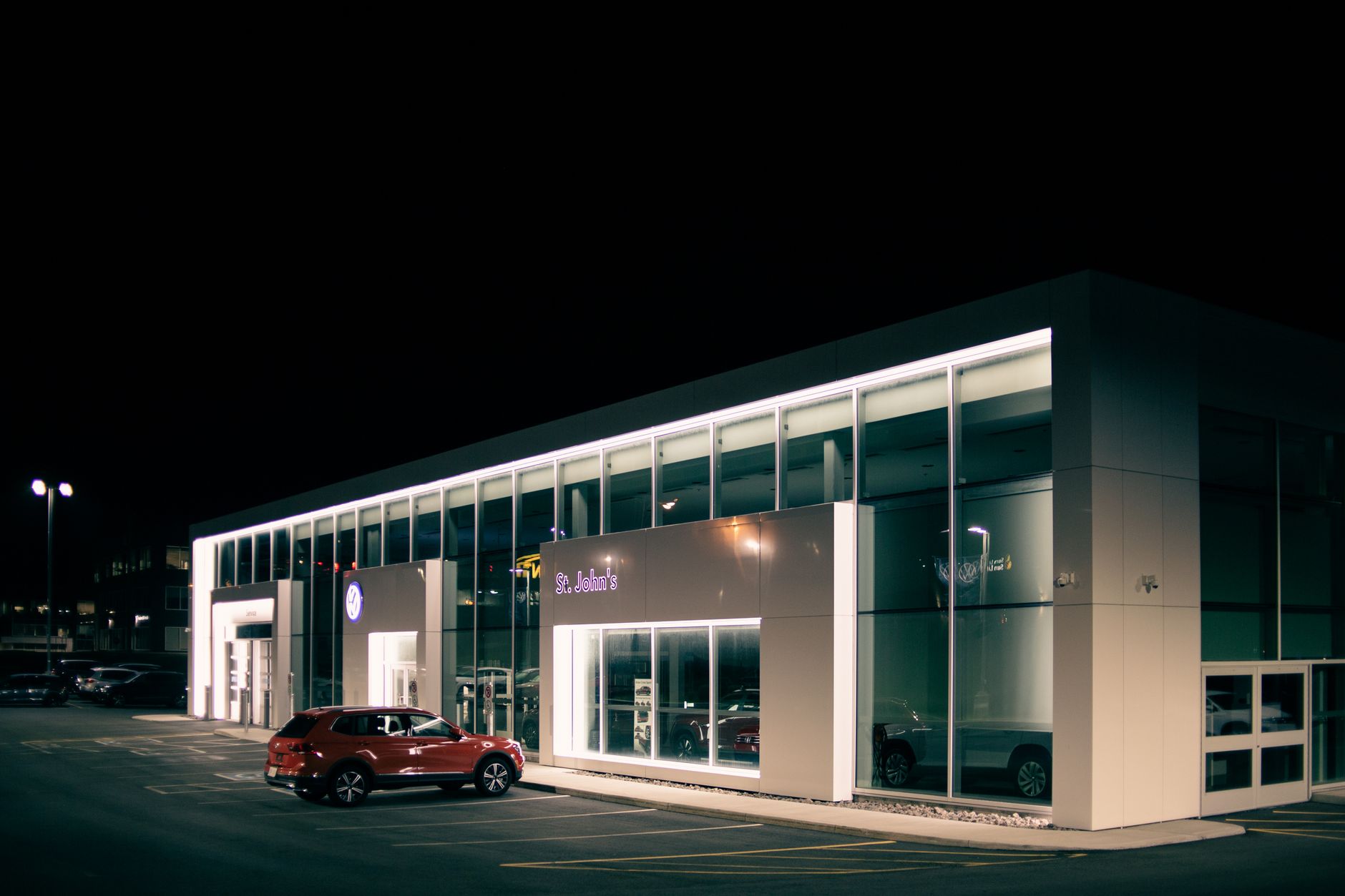
The Tysons Paradox: Wealth Doesn’t Equal Wins
Tysons Corner should be a luxury EV goldmine. Households within five miles of the Tysons Galleria corridor average well above $175,000 in annual income. CarGurus and Cars.com both show disproportionately high EV configurator traffic from Fairfax County compared to the Northern Virginia average. On paper, every EV maker with a store or partner dealer near Tysons is sitting on a lead pipeline most markets would envy.
Yet the conversion numbers don’t match the opportunity. Dealers running the same DealerCenter and VinSolutions setups they’ve had for three years are watching scheduled test-drive rates fall. The leads exist. The buyers have money. The close rate is the problem — and the cause traces directly to response time, not inventory.
This is the Tysons paradox: physical proximity to affluent buyers has created a false comfort. Showroom walk-in volume is strong enough that digital lead response has quietly become a second priority. That complacency has a measurable cost.
Where the EV Leads Are Actually Coming From in Fairfax County
EV shoppers in this corridor are not walking in cold. They’re researching on AutoTrader, building saved comparisons on CarGurus, and submitting inquiry forms at 9pm from their home offices in McLean, Great Falls, and Vienna. Cox Automotive’s annual car-buyer study puts the average luxury EV research cycle at 14+ weeks — meaning these leads are warm, educated, and already close to a decision before they ever contact a dealer.
That also means they’re contacting more than one dealer simultaneously. A buyer configuring a Genesis GV80 Electrified or a BMW iX on a Tuesday night is not waiting until Wednesday morning for a callback. They’re filling out three forms and going with whoever earns trust first.
Fairfax County EV registrations have grown over 40% year-over-year for the past two years. The leads are real and accelerating. The dealers capturing them are not always the ones closest to the buyer.
Why Ashburn Dealers Respond Faster (It’s Not Staffing)
Here’s the contrarian read on this market: Ashburn dealerships have a structural advantage that has nothing to do with head count, brand strength, or marketing spend. Because Ashburn stores don’t enjoy the same walk-in volume that Tysons locations do, they built digital-first habits out of necessity. Internet leads are not supplemental revenue in Ashburn — they’re core revenue.
That necessity pushed Ashburn GMs to adopt AI-assisted lead response earlier and more aggressively. Instead of routing a CarGurus lead to a BDC rep who may not see it for 40 minutes, these stores are running automated first-contact within 90 seconds — texting the buyer, confirming the vehicle of interest, and booking the appointment before the Tysons BDC rep has finished their morning huddle.
Why McLean VA Dealerships Lose Leads to Ashburn Rivals covers this dynamic in detail for the McLean market, but the same force is compressing margins for every Tysons rooftop that’s still running manual BDC workflows on digital leads.
The 7-Minute Window That Decides Who Gets the Sale
MIT’s lead response study — widely cited but rarely acted on — found that contacting a lead within five minutes makes you 100x more likely to reach that buyer than if you wait 30 minutes. For luxury EV leads specifically, the effective window may be even tighter. These are buyers with demanding schedules who made time to submit an inquiry. If that inquiry sits, they move on.
Seven minutes is approximately the point at which a competing dealer who responds first has enough of a conversation going that your follow-up feels redundant to the buyer. They’ve already answered three qualification questions via SMS, they’re looking at availability on a mobile-friendly calendar link, and they’re mentally booked with the other store.
Does SMS Automation Actually Convert Dealership Leads? digs into the specific SMS sequencing that keeps luxury buyers engaged — including the message cadence that avoids the “this feels like a robot” friction that kills response rates on high-ticket vehicles.
What Luxury Shoppers Expect vs. What Tysons BDCs Deliver
Luxury EV buyers have a specific expectation profile that standard BDC training doesn’t address. They’ve often already spoken to the brand’s OEM chat support. They’ve watched three YouTube comparisons. They know the MSRP, the federal tax credit eligibility, and the charge-range specs. They don’t need an introductory pitch — they need confirmation that this store can match their timeline and answer a specific question about trade-in valuation or lease money factor.
What they typically get from a Tysons BDC on a digital lead: a template email with “Thanks for your interest in [VEHICLE]!” followed by a call the next morning they don’t answer because they’re in a meeting.
This is not a talent problem. BDC reps at well-run Tysons stores are experienced and capable. It’s a workflow problem. The tools — eLead, Reynolds, CDK — are configured for high-volume process management, not real-time personalized response to a buyer who submitted a lead 90 seconds ago and is still on their phone.
Why McLean VA Dealerships Lose Leads Before Noon shows how the first three hours of the business day are where the most damage happens in markets just like Tysons.
How AI Closes the Gap Without Adding Headcount
Dealerships running Synthevo today — including early adopters across the Northern Virginia market — are solving the response-time problem without hiring additional BDC staff. Synthevo’s AI Closer engages an inbound lead in under two minutes, handles the qualification questions the buyer actually wants answered (not a scripted opener), and books the appointment directly into the showroom calendar.
Vanguard Auto Group, which operates across 50-plus rooftops, found that the volume of leads sitting idle between first contact and first human touch was the single biggest drag on conversion. AI engagement at the top of that funnel — handling the 9pm, the Sunday morning, and the lunch-hour inquiry that BDC reps can’t catch in real time — directly moves appointment-set rates.
For Tysons specifically, the value isn’t just speed. It’s consistency. A luxury buyer who submits a form at 11pm on a Wednesday doesn’t experience a degraded response because the senior BDC rep went home. They get an immediate, informed conversation that advances the sale.
The Playbook: What Tysons Dealers Should Do This Week
Stop auditing intent and start auditing lag. Pull your last 90 days of internet leads from VinSolutions or DealerCenter and measure median first-response time by hour of submission. If leads submitted after 6pm are averaging over 20 minutes to first contact, you already know where the Ashburn stores are beating you.
Then fix the overnight and weekend gap first — that’s where the volume of lost EV leads concentrates. AI handles those windows with zero incremental labor cost. Once that’s working, layer in daytime speed improvement so your BDC reps spend their time on conversations already started, not cold first touches.
The table below frames the decision clearly:
| Scenario | Tysons BDC (Manual) | Tysons BDC + Synthevo AI |
|---|---|---|
| Lead submitted at 9:47pm | First response: 8:30am next day | First response: under 2 minutes |
| Lead submitted Saturday noon | Queued until Monday | Engaged within 2 minutes, appointment offered same day |
| Buyer contacts 3 dealers | Likely 3rd to respond | Competitive or first to respond |
| BDC rep bandwidth | Stretched across all leads | Focused on warm handoffs only |
One objection worth addressing directly: “Our buyers are high-net-worth — they’ll be put off by an AI.” This concern comes up in every luxury market conversation. The reality is that buyers are not offended by speed and accuracy; they’re offended by irrelevance and delay. An AI that responds in 90 seconds with the right vehicle details and a calendar link reads as organized and attentive. A human who calls 14 hours later with a template script reads as indifferent. The buyer doesn’t know or care what generated the first response — they care that it was fast, correct, and easy to act on.
Tysons has the buyers. The question is whether your store closes them before Ashburn does.
Ready to see response times that match what luxury EV buyers expect? Request access to our live demo and see exactly how Synthevo handles a lead from the moment it arrives.
Ready to see it?
Your next lead is texting right now.
Stop letting after-hours leads die in the inbox. Tell us about your store and we'll text you a live demo of Synthevo's AI Closer — usually within 30 seconds.