Why Dale City VA Dealerships Lose I-95 Leads to NoVA Rivals
Dale City and Woodbridge dealers sit on one of Virginia's busiest auto corridors — yet most lose I-95 leads to faster-responding rivals up north. Here's why.
Prince William County has over 470,000 residents and one of the fastest-growing auto-buying populations in Virginia. Dale City dealers sit directly on that corridor. And yet, CarGurus data consistently shows that shoppers who submit a lead on a vehicle in Dale City often end up purchasing at a store 20 to 35 miles north — not because of price, not because of inventory, but because someone else called back first.
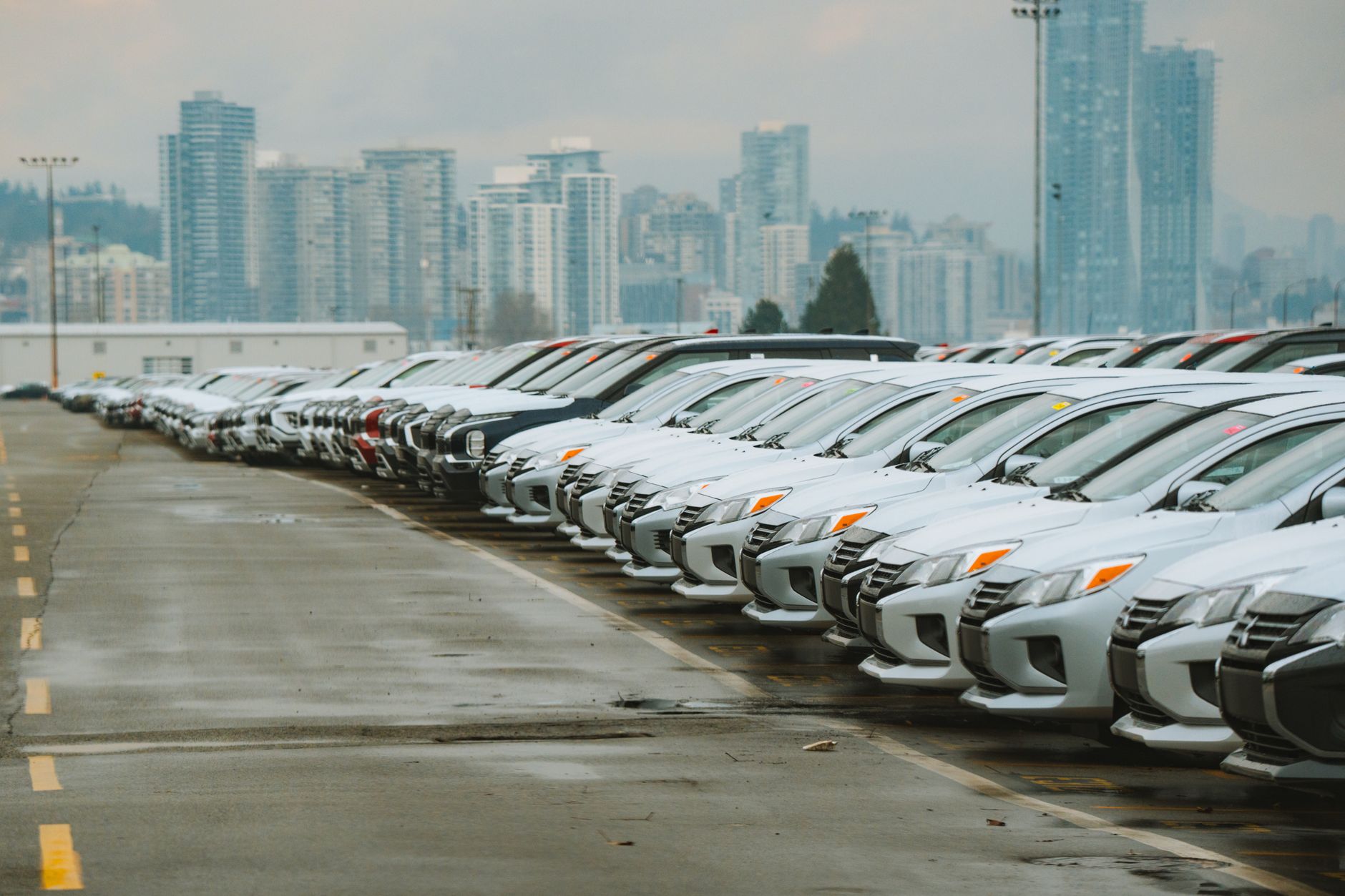
The I-95 Corridor Auto Row: What Makes Dale City Different
Route 1 through Dale City and Woodbridge is not a hidden gem. It’s one of the most dealer-dense stretches in Northern Virginia, with franchised stores representing every major OEM brand within a few miles of each other. Volume should be easy here. Foot traffic is real. The problem is digital.
Shoppers in Prince William County aren’t starting their search on the lot. They’re browsing Cars.com and AutoTrader at 10pm after the kids are in bed, submitting leads on four to six vehicles across different stores, and expecting the fastest responder to earn the conversation. By the time a Dale City BDC rep opens the CRM at 8:30am, those buyers have already made two phone calls and possibly scheduled a test drive somewhere else.
The dealers who win this corridor have figured out that the search funnel ends the moment someone else answers. Geography is not a moat.
Where the Leads Actually Come From (And When They Go Cold)
Third-party leads from CarGurus, AutoTrader, and Cars.com arrive around the clock. But the highest-intent submissions — the ones from buyers who’ve already narrowed to a specific trim and are comparing two stores — tend to cluster between 7pm and midnight and again between 6am and 8am. These are commuter hours. These are the windows when someone stuck in I-95 traffic south of Occoquan pulls out their phone and submits a form.
MIT’s Lead Response Management study put the optimal response window at five minutes. After 30 minutes, your odds of reaching that lead drop by over 100 times. Most dealership BDCs, even well-staffed ones, are not structured to respond in five minutes at 11pm on a Tuesday. That’s not a criticism — it’s a structural reality of shift-based staffing.
VinSolutions and eLead both surface lead-response time in their dashboards. If you pull that report today and your average first-response time is over 20 minutes on after-hours leads, you already know where this is going.
Why Proximity to Quantico and Fort Belvoir Creates Unique Buyer Urgency
Dale City dealers have a customer base that most suburban stores don’t: active-duty military personnel and government contractors who rotate in and out of Quantico and Fort Belvoir on PCS (Permanent Change of Station) orders. These buyers are not browsing casually. They have a hard move-in date, a BAH allowance already calculated, and frequently a financing situation — USAA, Navy Federal, or SCRA-rate eligibility — that they’ve already sorted out before they ever submit a lead.
PCS buyers are the highest-urgency, highest-conversion leads a dealer can receive. They need a vehicle within a specific window, often within two to three weeks of arriving in the area. They will purchase from whoever makes the process easy and fast. If your BDC takes four hours to respond, they’ve already moved on to the dealer who called back in four minutes.
This is also a market where the same competitive pressure facing Woodbridge dealers plays out in nearly identical form — the buyer profile overlaps heavily, and the losing pattern is the same.
The Response-Time Gap: How NoVA Rivals Steal Dale City Leads
Here’s the contrarian read that most consultants won’t give you: Dale City dealers don’t lose leads because of price or inventory — they lose them because military and commuter buyers decide in under 10 minutes, and a four-hour BDC response is indistinguishable from silence.
A Tyson’s Corner or Fairfax store with a fully staffed BDC and an AI layer running after hours has a structural advantage that has nothing to do with their lot. They’re not better at negotiating. They’re not offering dramatically different rates. They simply answered first. And in a market where a buyer has submitted leads at three stores simultaneously, “first” is everything.
The dealers gaining share in Fairfax and Loudoun counties have largely solved this with a combination of CRM automation and AI-driven SMS — not to replace their salespeople, but to ensure that no lead sits uncontacted for more than three minutes regardless of what time it came in. You can see a similar dynamic playing out further up the corridor in the competition between Loudoun County and Prince William dealerships.
What Military PCS Buyers Expect That Most BDCs Can’t Deliver
PCS buyers expect three things that standard BDC scripting frequently fails to deliver: immediate acknowledgment, specific vehicle availability confirmation, and a path to deal structure before they walk in. They’ve done this before. Many have purchased two or three vehicles over their military career under time pressure. They don’t want a “just checking in” call. They want answers.
A BDC rep working from a generic eLead or VinSolutions follow-up sequence isn’t set up to instantly confirm whether a specific Tacoma is still in stock and whether the store has experience structuring deals with Navy Federal. An AI closer running off your live inventory feed can handle that first-contact conversation in real time, qualify the buyer’s timeline, and surface the rep or finance manager only when the conversation is appointment-ready.
The question isn’t whether AI can handle these conversations — it’s whether your current setup handles them at all when the lead arrives at midnight.
How AI Closes the Gap for Dale City and Prince William Dealers
Dealerships running Synthevo today are seeing first-contact happen within 90 seconds on after-hours leads, across SMS and email simultaneously. Vanguard Auto Group, operating across more than 50 rooftops in Northern Virginia, implemented AI-driven lead response specifically to address this after-hours gap — and their early results show appointment set rates climbing on leads that previously aged out before a BDC rep ever made contact.
The mechanics matter here. Synthevo connects directly to your CRM — VinSolutions, Reynolds, CDK, DealerCenter — pulls live inventory, and initiates a two-way SMS conversation that qualifies the buyer’s timeline, trade situation, and financing preference before handing off to a human. No generic drip. No “thanks for your interest” autoresponder that every dealer sends. An actual qualifying conversation.
The question of whether SMS automation works is one dealers ask often, and the data is unambiguous: SMS automation converts dealership leads at measurably higher rates than email alone, particularly for after-hours and high-urgency buyers.
Objection: “Our BDC Already Does Follow-Up — We Don’t Need More Automation”
This is the most common pushback, and it’s worth taking seriously. If your BDC is making contact within five minutes on every lead, including leads that come in at 10:30pm on a Saturday, then AI doesn’t add much to that first-touch problem. The honest question is: pull your VinSolutions or eLead response-time report and find out what your actual after-hours first-response time is — not the Monday-through-Friday 9-to-5 average, but the Friday night and Sunday morning numbers specifically.
Most dealers who run that report find a gap they didn’t know existed. Not because their BDC is failing — but because no shift-based team is positioned to respond in under five minutes at all hours. AI doesn’t replace your BDC. It covers the hours your BDC structurally cannot.
What to Do This Week If You’re a Dale City Dealer
The audit is straightforward. Pull your lead-response time report from VinSolutions or eLead for the last 30 days and filter for leads submitted between 6pm and 8am. Note the average first-response time and the percentage of leads that received no first contact within 30 minutes. That number is your conversion leak.
If your after-hours response time is above 20 minutes on more than 30% of leads, you’re leaving appointments — and deals — on the table every week. The buyers going north aren’t more loyal to Fairfax or Tyson’s. They’re loyal to whoever answered.
Ready to see what this looks like in practice for a Prince William County store? Request access to our live demo and we’ll show you exactly how Synthevo handles a PCS buyer inquiry from first SMS to appointment-set.
Ready to see it?
Your next lead is texting right now.
Stop letting after-hours leads die in the inbox. Tell us about your store and we'll text you a live demo of Synthevo's AI Closer — usually within 30 seconds.