Why Annandale VA Dealerships Lose Leads to NoVA Rivals
Annandale VA dealerships sit in one of NoVA's most competitive corridors — and most are losing leads to faster rivals. Here's what AI changes.
CarGurus data consistently shows that dealers who respond to a lead within five minutes are nine times more likely to make contact than those who wait 30. In Annandale — a corridor where a buyer can walk into three competing stores inside a single exit on I-495 — that five-minute window isn’t a benchmark. It’s the whole game, and most BDCs aren’t built to win it.
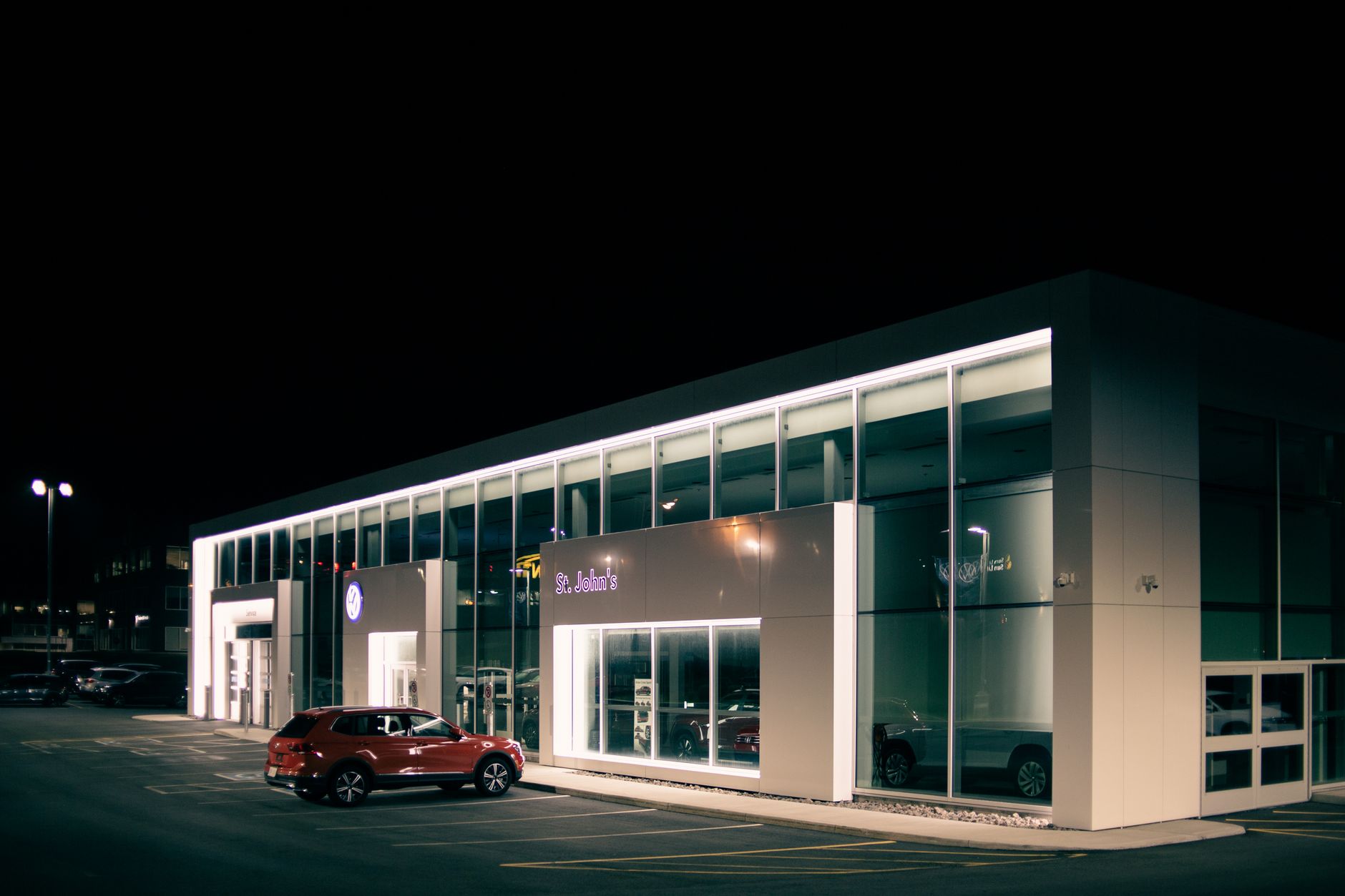
Annandale’s Hidden Competitive Problem: You’re Surrounded by Faster Dealers
Annandale sits at the intersection of Route 236, Little River Turnpike, and the I-495 Capital Beltway. That geography is both the dealership’s greatest asset and its sharpest liability. Buyers in this zip code don’t have to drive far to comparison-shop — they can submit a lead on Cars.com from their phone in your lot, and the nearest AutoNation store can call them back before they’ve reached your finance office.
This isn’t a price problem. Annandale dealerships are not routinely losing on sticker. They are losing on sequence — the buyer who gets called first tends to buy from the dealer who called, regardless of where the deal pencils. Every minute of silence after a lead arrives is time a competitor’s rep is spending on the phone building rapport.
The corridor from Tysons Corner to Dulles is among the densest concentrations of franchised rooftops in the mid-Atlantic. That density means buyers have genuine, immediate alternatives. Dealers who treat lead response like a 30-to-60-minute office task are operating a 2019 BDC model inside a 2026 market.
The Lead Window Is Shorter in Dense Corridors Like Annandale
Cox Automotive’s 2024 Car Buyer Journey study found that the average in-market buyer contacts 2.3 dealerships before purchasing. In high-density metro corridors like Northern Virginia, that number is almost certainly higher — buyers have the physical proximity and the digital tools to shop aggressively. The practical result is that the average Annandale lead is also an active lead at one or two other stores right now.
That overlap compresses the effective response window. A dealer who responds in 45 minutes is not just “a little late.” They are, statistically, calling someone who has already spoken with at least one competitor and is beginning to form a preference. The conversation that dealer walks into is not a blank slate — it’s a negotiation against an impression that’s already been set.
BDC teams working a queue of 40 to 60 daily leads simply cannot triage fast enough to catch every inbound in the first five minutes. That’s not a management failure. It’s a structural ceiling.
Why Annandale’s Diverse Buyer Base Demands Faster, Smarter Follow-Up
Annandale has one of the most linguistically and culturally diverse populations in Virginia. A meaningful portion of buyers prefer initial outreach in Spanish, Korean, or Vietnamese. Standard BDC scripts written for a generic Northern Virginia buyer leave real engagement on the table when the first contact doesn’t match how the buyer wants to communicate.
Speed matters here in a second dimension: the buyer who receives a fast, relevant response in their preferred language or communication style is not just contacted — they’re impressed. That first-impression moment is disproportionately sticky. It signals that the dealer pays attention, and attention is what dealerships in dense corridors have to sell alongside the vehicle.
Does SMS Marketing Automation Work for Car Dealerships? — that question matters more in a market like Annandale than almost anywhere else in Virginia. Buyers here are mobile-first, often bilingual, and expect the channel they contacted you through to be the channel you respond on.
What Rivals on Route 236 and I-495 Are Already Doing Differently
The dealerships gaining ground in the Annandale-to-Tysons corridor right now are not necessarily the ones with the biggest ad budgets on AutoTrader or the most aggressive lease promotions. They are the ones who have removed human latency from the first-touch response.
Stores running AI lead response tools are making contact in under 90 seconds — around the clock, including Saturday nights and Sunday mornings when BDC staff are off and inbound volume from digital shoppers is actually climbing. Those stores are also feeding cleaner lead records into VinSolutions or CDK before a human rep ever picks up the phone, which means the first live conversation is already more informed and more efficient.
For a sense of what this looks like at scale, consider dealerships running Synthevo today: Vanguard Auto Group, operating across more than 50 rooftops, uses AI to handle first-touch contact before any human rep is involved. The outcome is consistent sub-two-minute response across their portfolio — a standard that a staffed BDC cannot replicate at that volume without significant cost and significant variability.
For a parallel look at how this plays out in another dense Virginia corridor, see Why Woodbridge VA Dealers Lose I-95 Leads to NoVA Rivals — the structural problem is the same, and the solution set is nearly identical.
How AI Lead Response Closes the Speed Gap for Annandale Dealers
The contrarian read on Annandale’s lead problem is this: it is not a staffing problem, and adding BDC headcount will not fix it. Dense NoVA corridors compress the response window to a threshold that human-staffed models cannot structurally meet regardless of how many agents you hire or how well you train them.
A team of six BDC agents handling a 60-lead day cannot guarantee a sub-five-minute first contact on every inbound. Leads arrive in clusters — end of business Friday, Sunday afternoon, Monday morning — and the team that handles volume peaks will always have a triage backlog. That backlog is where leads die.
AI closes this gap not by replacing the BDC but by removing the gap between lead arrival and first contact. An AI closer can initiate a personalized SMS or email response in under 90 seconds, qualify the buyer’s intent, confirm availability against live inventory, and pass a warm summary to a human rep — all before the buyer has refreshed their browser. The human conversation, when it happens, starts at a higher level because the groundwork is already done.
This is also where tools like eLead and Reynolds benefit: a well-integrated AI layer populates the CRM record in real time, so there’s no duplicate data entry and no information lost between the AI’s first-touch notes and the rep’s follow-up call.
The Real Cost of a 90-Minute Response in a 5-Minute Market
Run the math on a store with 80 monthly internet leads, a 20% contact rate, and a 15% close rate on contacts made. That’s roughly 2.4 sales per month from internet leads. Now apply the research: improving first-touch response to sub-five minutes can increase contact rates by as much as 50 to 100 percent in competitive corridors. At a conservative 30% improvement in contact rate, the same 80 leads produce closer to 3.1 sales. At an average front-end gross of $3,200, that’s an additional $2,240 per month from the same lead volume — before accounting for F&I.
Scaling that to a store doing 150 or 200 internet leads per month, the math becomes a strong argument for treating response speed as a revenue line item rather than an operational nicety.
Objection handled: “We already have a BDC that responds fast. Why do we need AI?” The question is fair. If your BDC is genuinely hitting sub-five-minute response rates across all hours, all days, and all lead sources — including after-hours and weekend leads — you may not have an acute problem. But audit your CRM. Pull response-time data from VinSolutions or DealerCenter for the last 90 days, segment by day of week and hour of submission, and look specifically at Friday-evening and Sunday-morning leads. That’s where the gap almost always appears, and that’s where the lost gross is hiding.
The Route 7 Dealer Corridor: Who’s Winning the Lead Race? tells the same story from a different vantage point — dealers who audited their actual response data, not their intended response data, found gaps that surprised them.
What Annandale Dealerships Should Do This Week
The immediate action items are concrete and low-cost to start:
- Pull 90 days of lead response time data from your CRM, segmented by hour and day of submission. Identify your worst-performing windows.
- Count how many leads arrive between 6pm Friday and 9am Monday. Compare that to your BDC coverage schedule.
- Review your first-touch templates in eLead or VinSolutions — are they personalized to the specific vehicle and lead source, or are they generic?
- Evaluate whether your current response cadence is consistent on CarGurus and Cars.com leads versus your own website leads. Inconsistency here is common and costly.
- If you’re running digital ad spend on AutoTrader or Cars.com, calculate your cost-per-lead. Then ask whether you’re capturing full value from the leads you’re already paying for, before increasing spend.
If the audit reveals consistent after-hours gaps — and it usually does — you’re looking at an AI first-touch layer as the highest-return fix available. The staffing alternative costs more, operates less consistently, and doesn’t scale cleanly with lead volume.
Ready to see what sub-90-second lead response looks like inside a real dealership workflow? Request access to our live demo and we’ll show you exactly how Synthevo fits into your existing CRM stack — no rip-and-replace required.
Ready to see it?
Your next lead is texting right now.
Stop letting after-hours leads die in the inbox. Tell us about your store and we'll text you a live demo of Synthevo's AI Closer — usually within 30 seconds.